
Cash in Japan: How Much to Bring & Where to Withdraw
Cash in Japan comes in handy at small restaurants, shops and coin-operated machines. Bring a card for larger purchases and use this guide to plan your cash budget and ATM withdrawals.
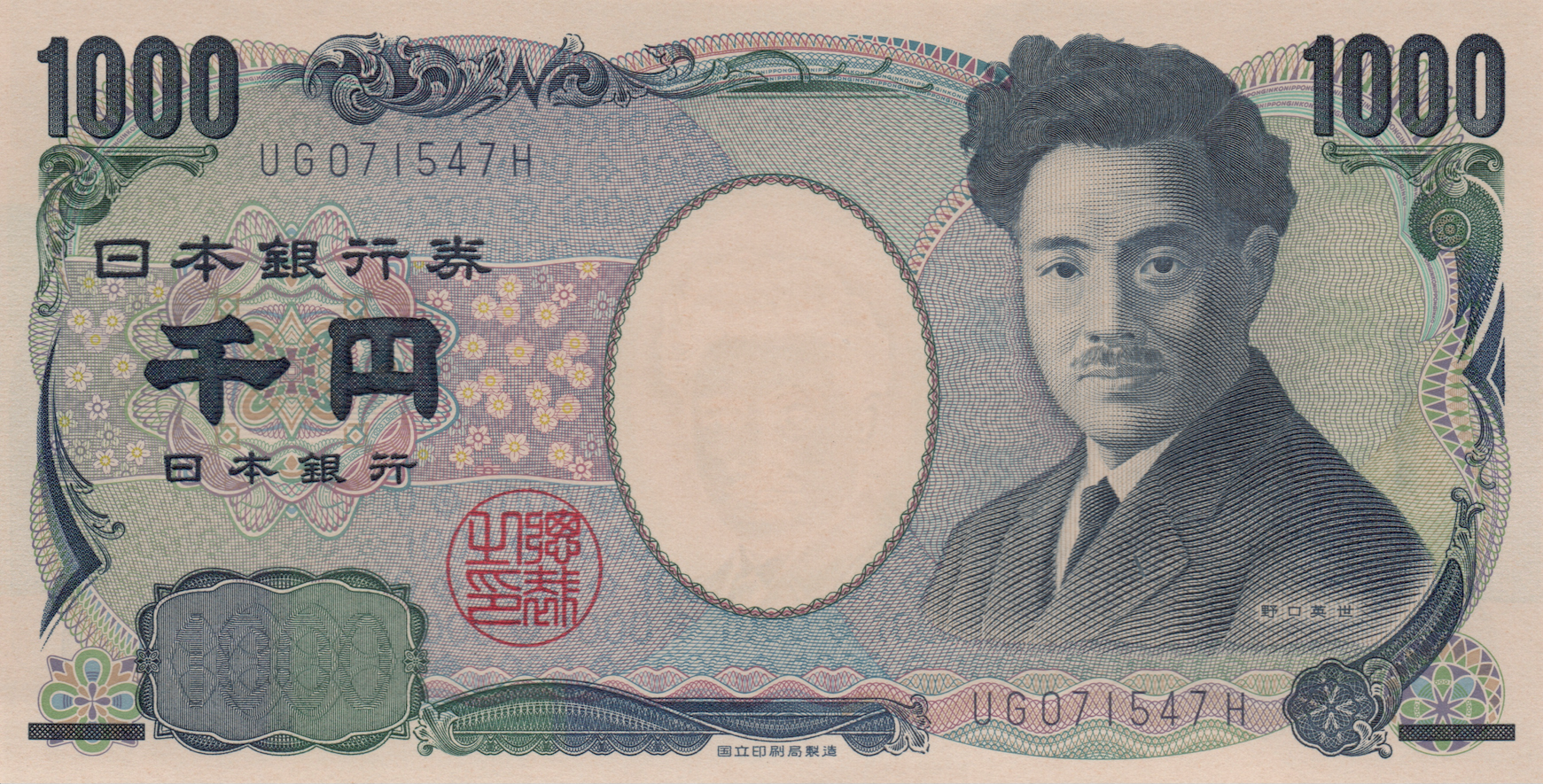
How Much Cash Should You Bring?
Start with our suggested amounts, then adjust for your trip. Include only what you expect to pay in cash.
10 days × 1 traveler × ¥2,000 + ¥10,000 buffer
Up to three days’ spending plus the full backup amount you entered. The buffer is included here so it’s available from the start. Adjust it to what you’re comfortable carrying, then round to an amount your ATM offers.
USD conversion loading…
When You’ll Need Cash in Japan
Cards work in many places. Keep yen for smaller businesses and coin-operated machines.
Markets & Thrift Shops
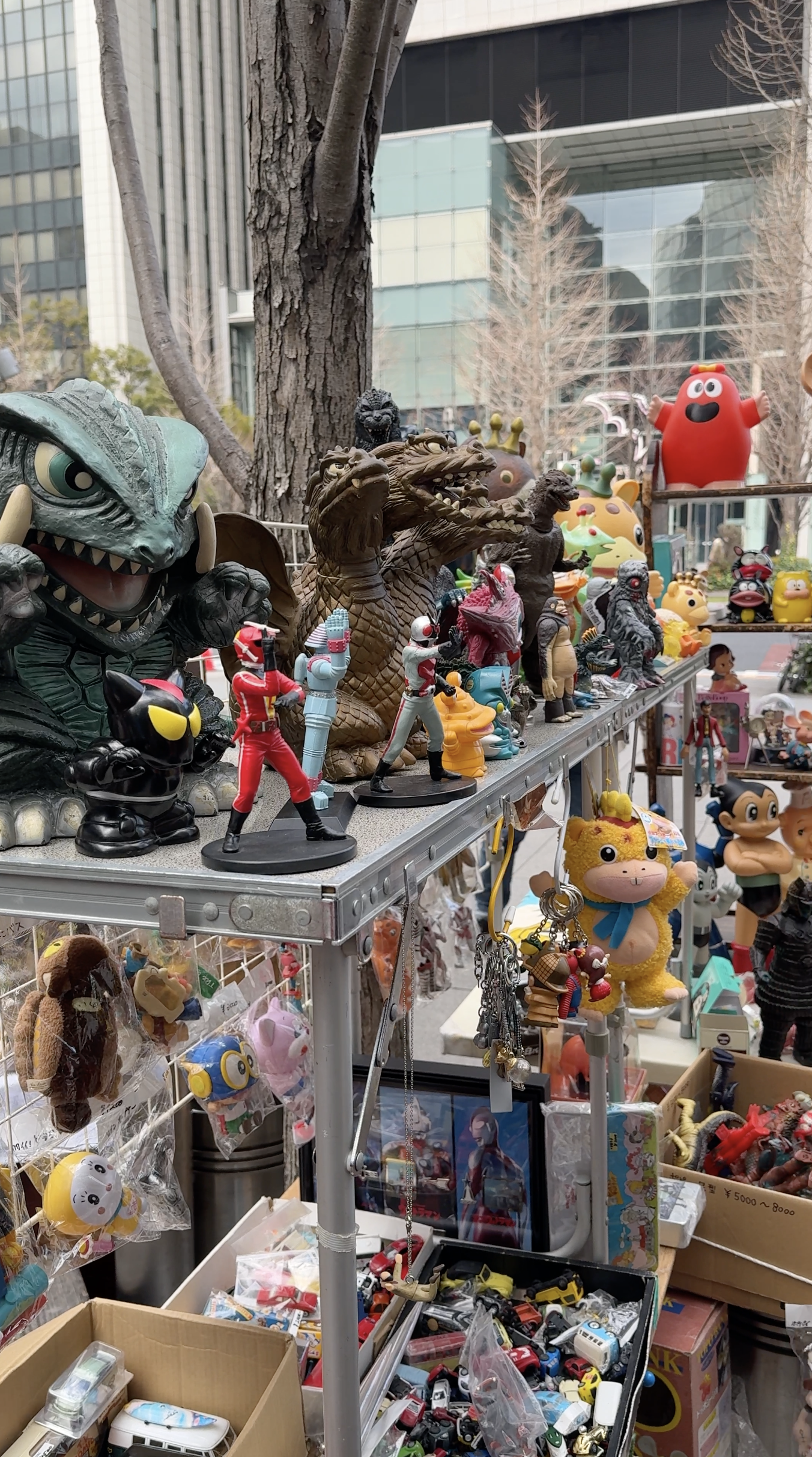
Small vintage shops and market stalls may need cash. Larger resale chains often take cards. Ask how to pay before buying.
Coin Laundry
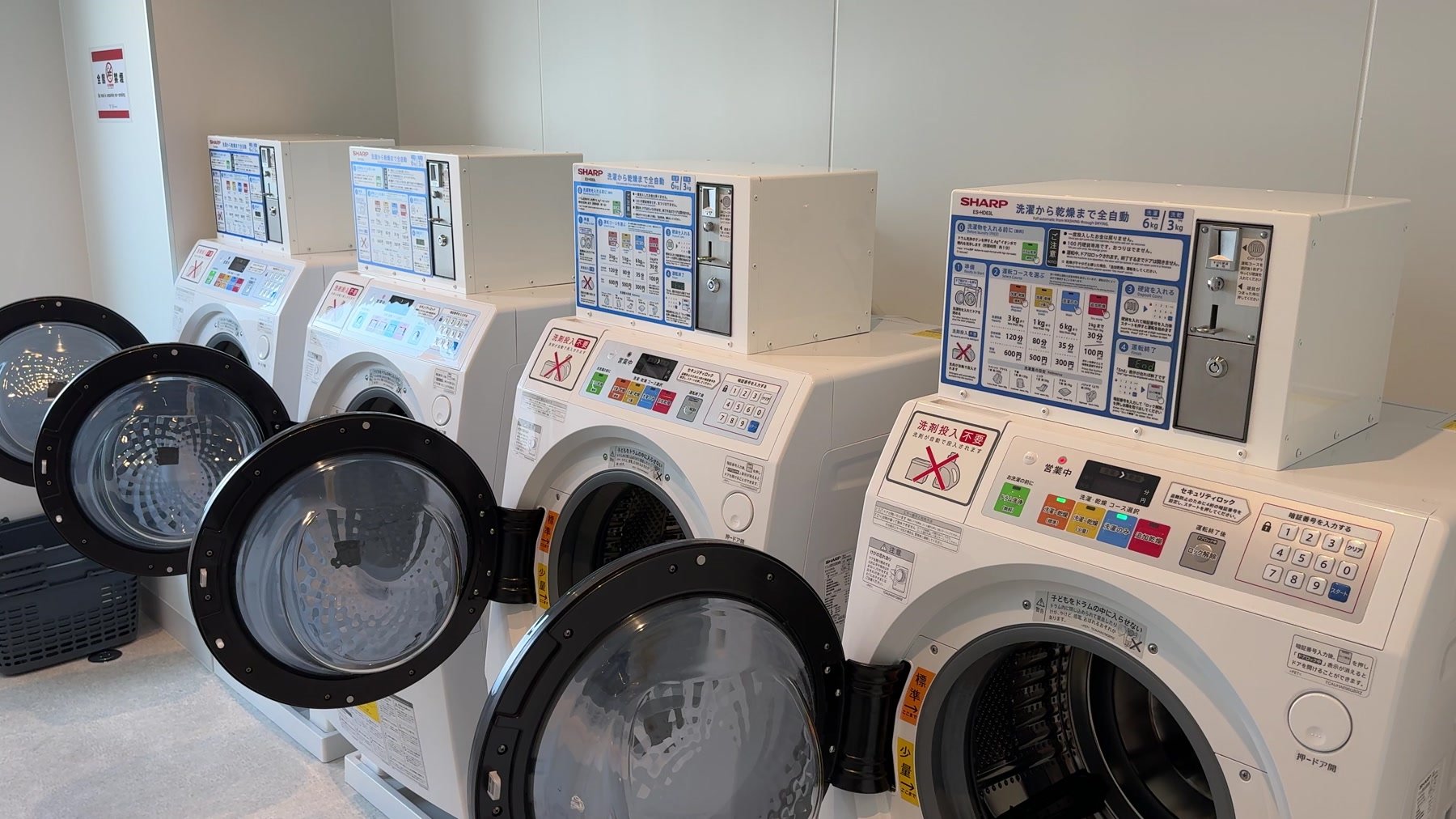
Keep ¥100 coins handy or look for a change machine. Check the payment panel before loading your clothes.
Vending Machines & Coin Lockers
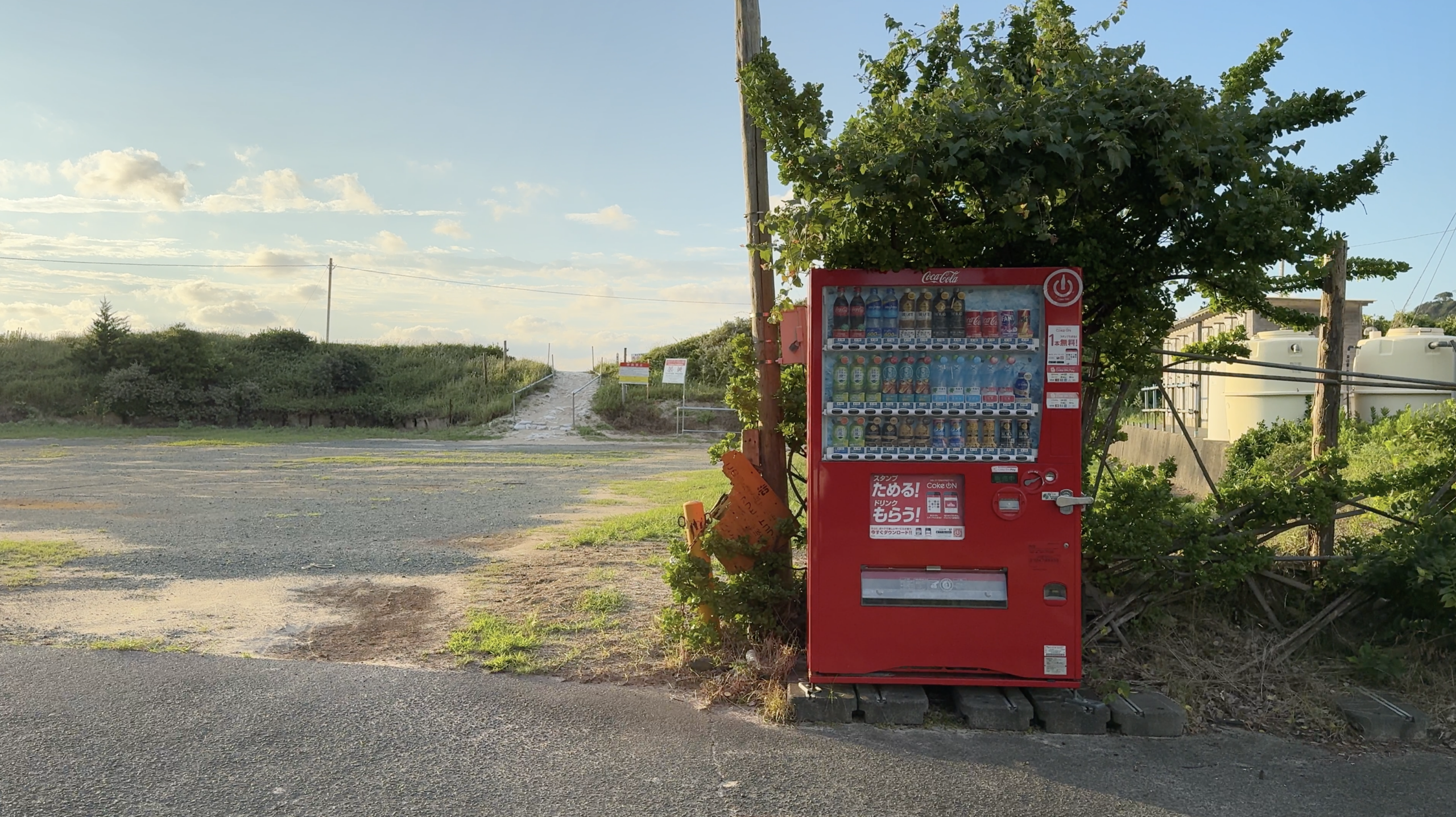
Some accept IC cards. Others need coins or ¥1,000 notes. Check the payment symbols before inserting money.
Arcades & Games
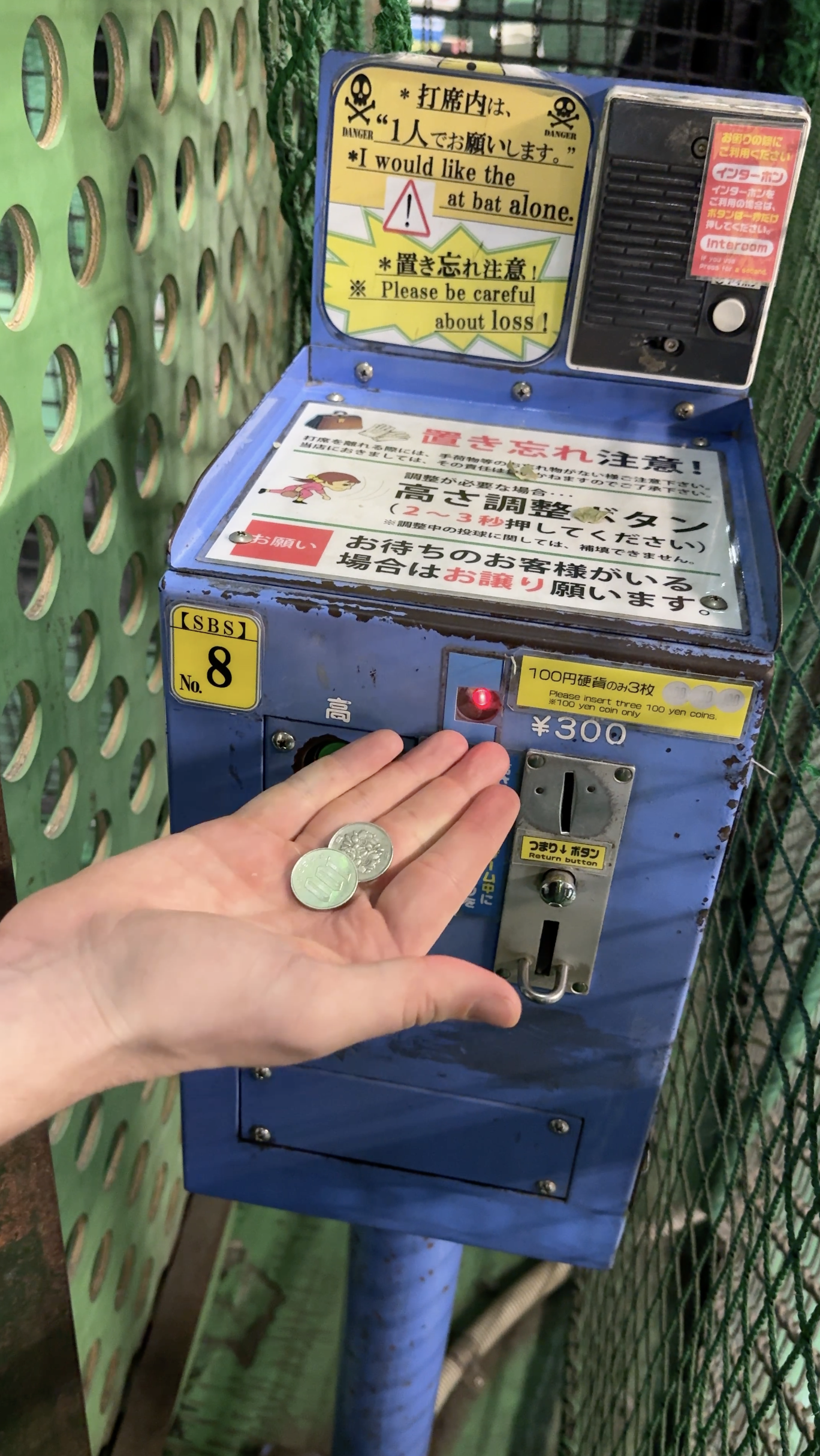

Arcade games, batting cages and other game machines may take cash. Keep a few ¥100 coins handy and check the payment options before playing.
Small Restaurants & Food Stalls
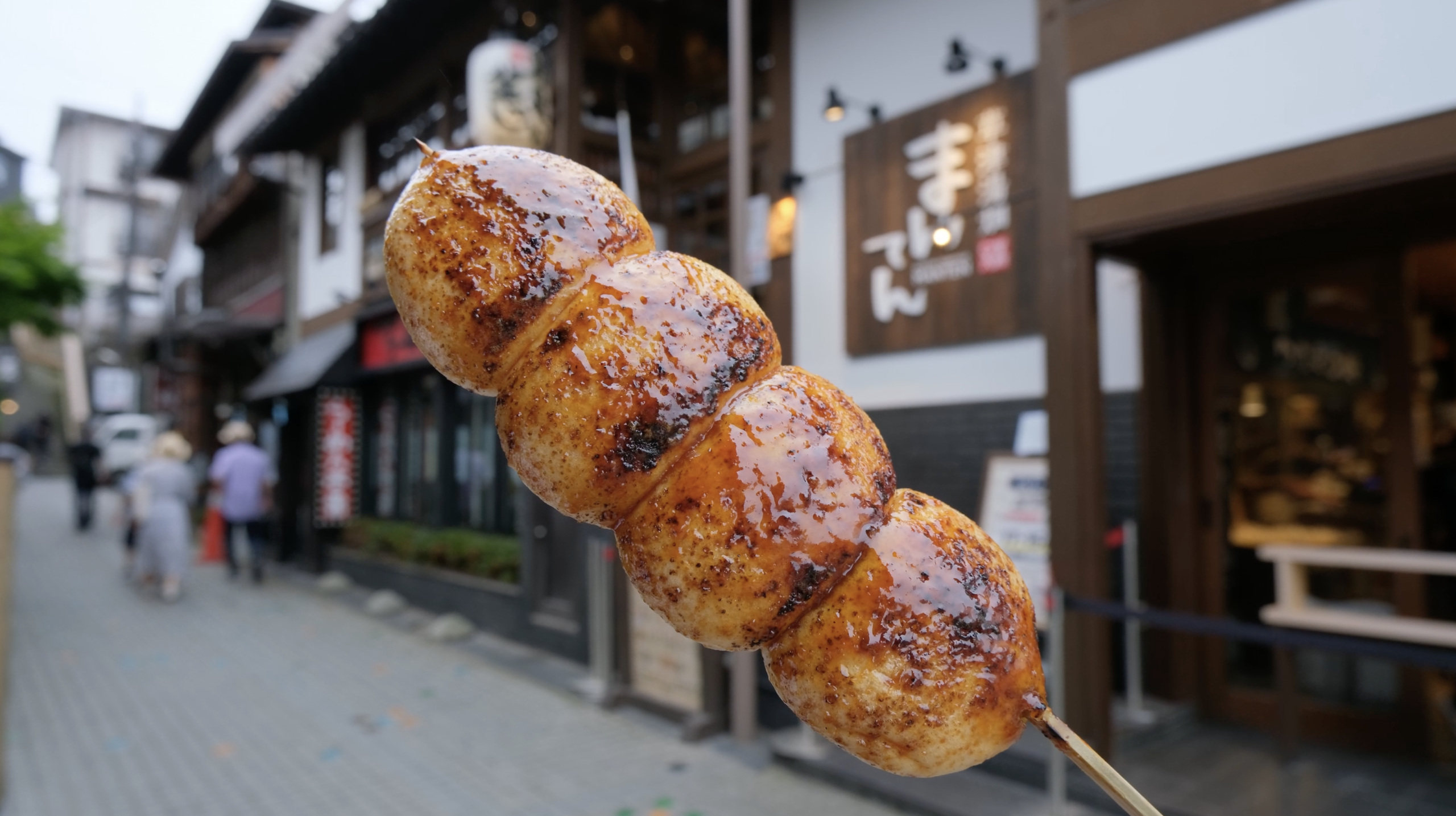
Some small restaurants, food stalls and meal-ticket machines accept cash only.
Temples & Shrines
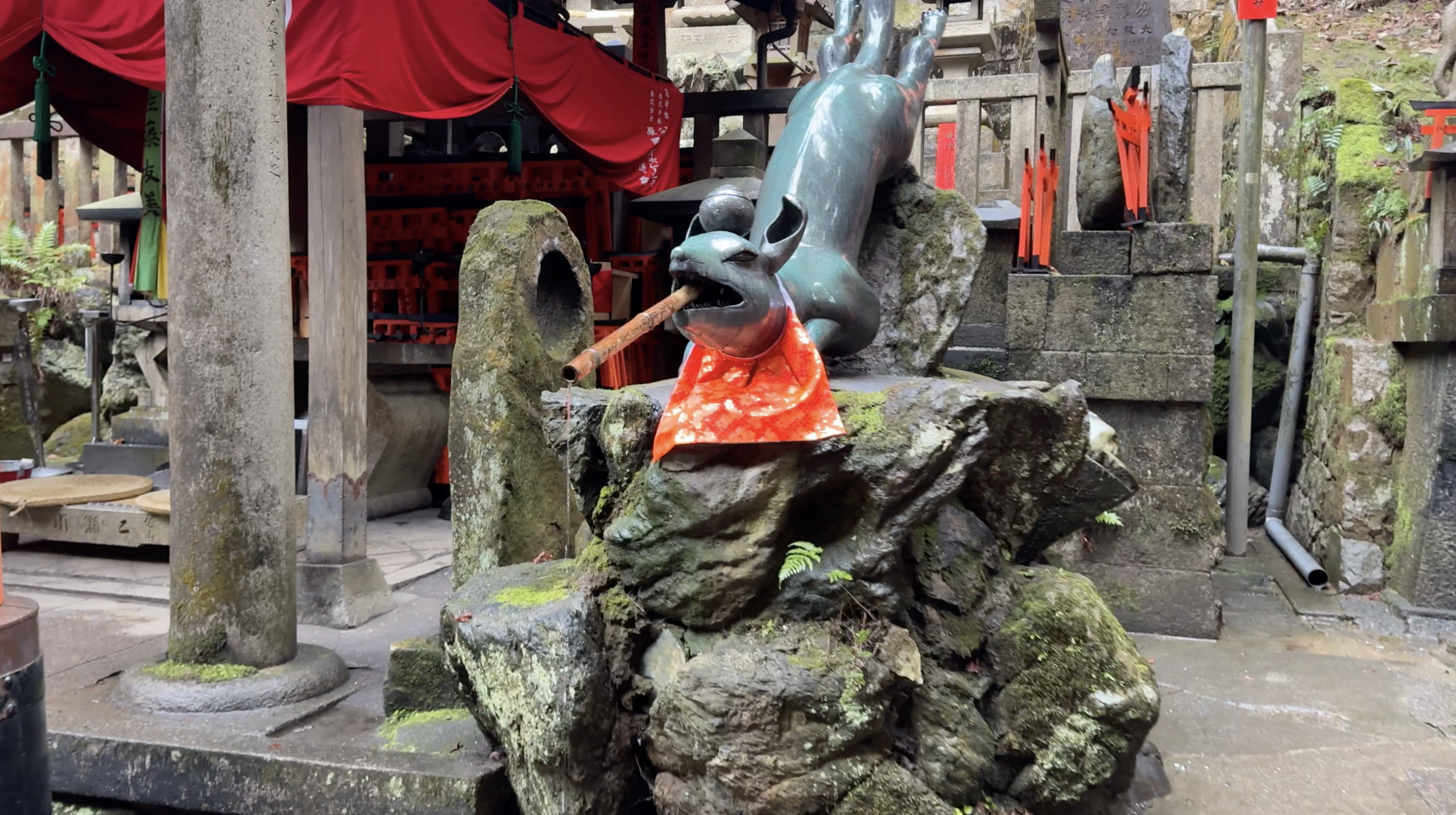
Keep coins and smaller bills for offerings, entry fees and small purchases.
Where to Withdraw Cash in Japan
Look for Seven Bank at 7-Eleven or Japan Post Bank at post offices and some FamilyMart stores. Both accept many overseas cards. Fees depend on your card, so check the ATM screen and your bank’s charges before confirming.
| ATM Network | ATM Fees | Withdrawal Limit |
|---|---|---|
| Seven BankOften in 7-Eleven | Depends on your card brand. Check the fee shown for your foreign card before confirming. Foreign-card guidance ↗ | Up to ¥100,000 ¥30,000 for magnetic-stripe transactions. Your bank may set a lower limit. |
| Japan Post BankPost offices & some FamilyMart stores | ¥220 may apply to certain foreign cards. Your card issuer may charge separately. Access hours depend on the location. Official fees & hours ↗ | Up to ¥50,000 |
| AEON BankMalls & other locations | Check the current fee before confirming. Fees depend on your card and travel date. Foreign-card information ↗ | Up to ¥50,000 |
| E-netSome FamilyMart & other stores | Varies by handling bank. Check the fee on screen. Your bank may charge separately. Foreign-card guidance ↗ | Up to ¥100,000 ¥40,000 for magnetic-stripe transactions. |
Look for the ATM operator’s name. FamilyMart stores can have different operators, with different fees and opening hours.
At the ATM: Keep It Simple
Use Your Debit Card
Check that the ATM accepts your card and choose English. Have your PIN ready. Credit-card withdrawals may incur cash-advance fees and interest.
Read the Fee Screen
Check the amount and fee before confirming. You can cancel and try another operator. Your own bank’s charges may not appear on screen.
Choose Japanese Yen
Choose JPY or decline the ATM’s conversion offer. You still receive yen, but your card issuer handles the exchange rate.
Before You Go
Should I Arrive With Yen?
Some yen on arrival is a useful backup if an ATM or card fails. You can also plan an airport withdrawal. Compare the cost of ordering yen at home with your card’s overseas withdrawal fees. Neither is always cheaper.
Does Cash Replace a Suica or PASMO?
No. An IC card works for many journeys and small purchases, but not every shop. Carry some yen too. Check how to reload your physical or mobile IC card before you travel.