
Ryokan vs. Hotel in Japan
Ryokan vs. hotel: what makes a Japanese inn different?
Rooms, meals and baths for your Japan trip.
A ryokan is a traditional Japanese inn where the stay often includes a tatami room, yukata, Japanese meals and time for bathing. Dinner-and-breakfast packages give the evening a set rhythm. Rooms may have futons or raised beds; baths may be shared, private-use or inside your room.
Ryokan
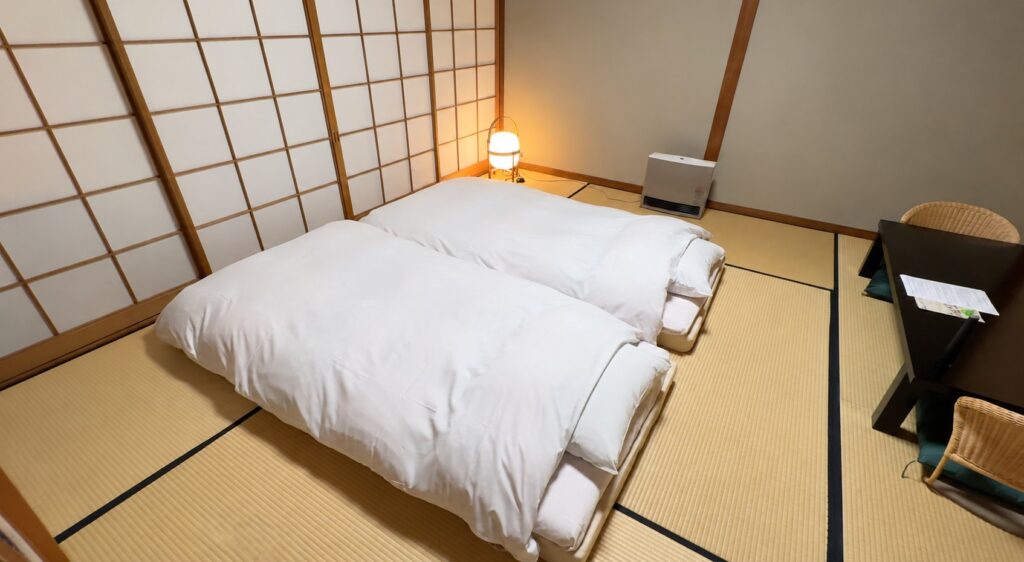
Mikiya Ryokan · Kinosaki Onsen
Hotel
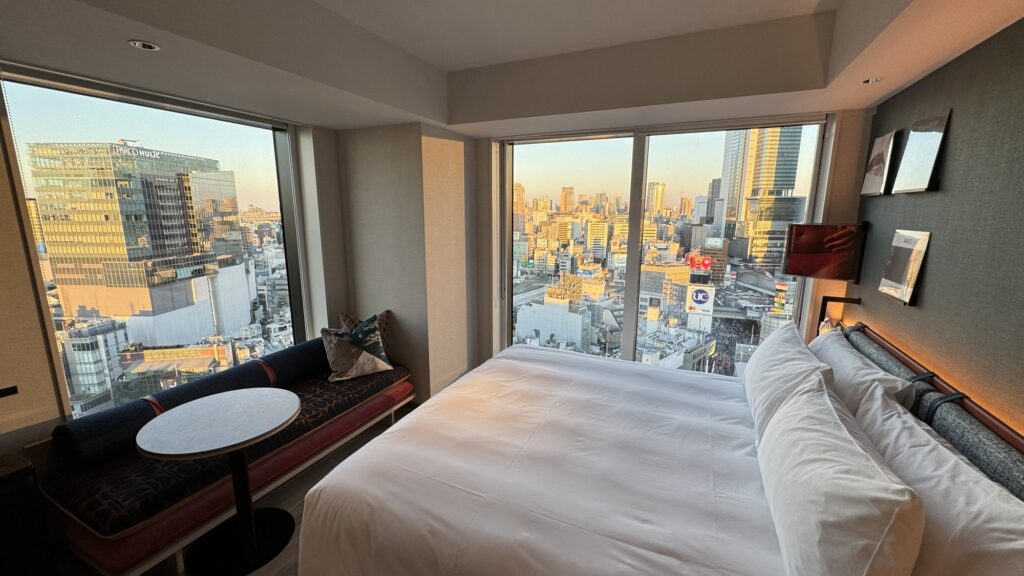
Hotel Indigo Tokyo Shibuya
How Do Ryokan Rooms Differ From Hotel Rooms?
Ryokan
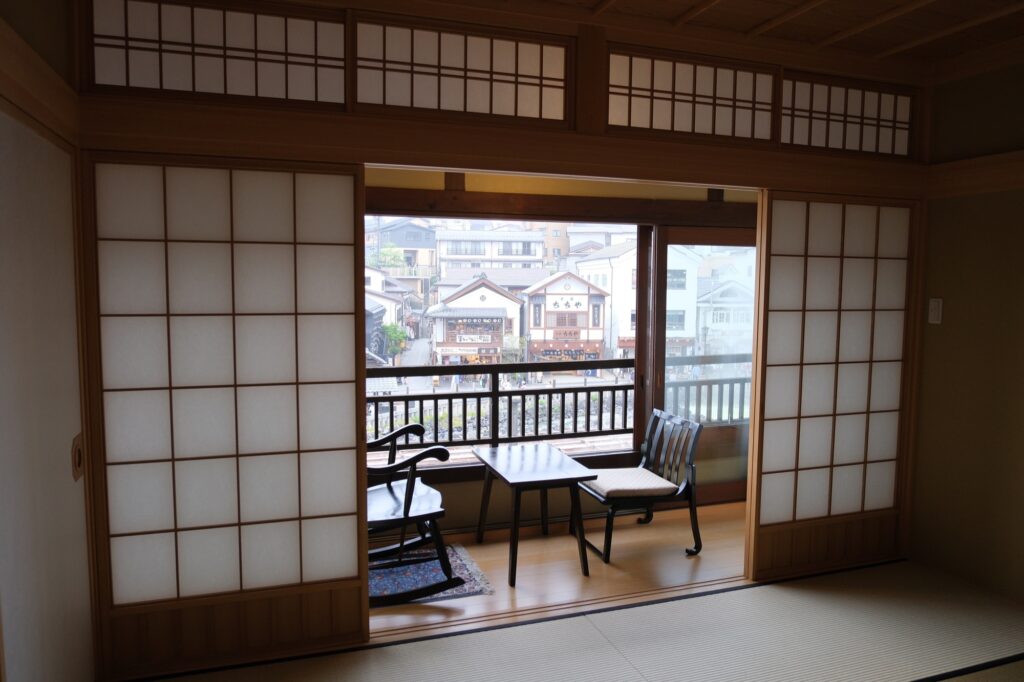
Shoji screens and sitting area at Yamamotokan
Tatami, low seating and room to unwind
Tatami flooring and a low table often make the room a living space during the day, with futons laid out at night.
Hotel
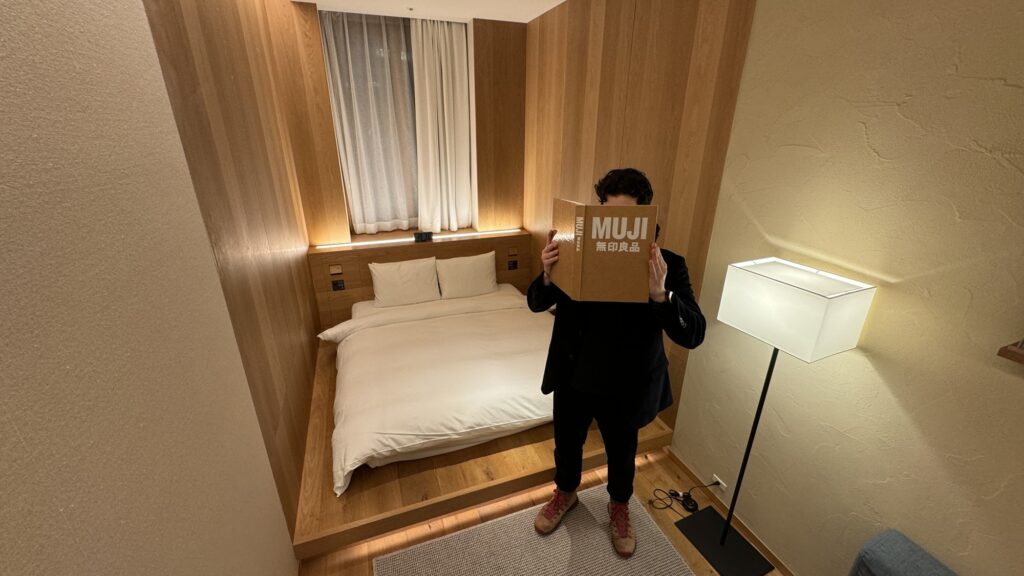
Raised bed and sofa at MUJI HOTEL GINZA
A raised bed and a familiar layout
The bed and seating usually stay in place.
What Meals Can You Expect at a Ryokan vs. a Hotel?
Ryokan often package dinner and breakfast together. Hotels commonly offer breakfast, while dinner is usually a separate choice. Meal inclusion depends on your rate.
Ryokan
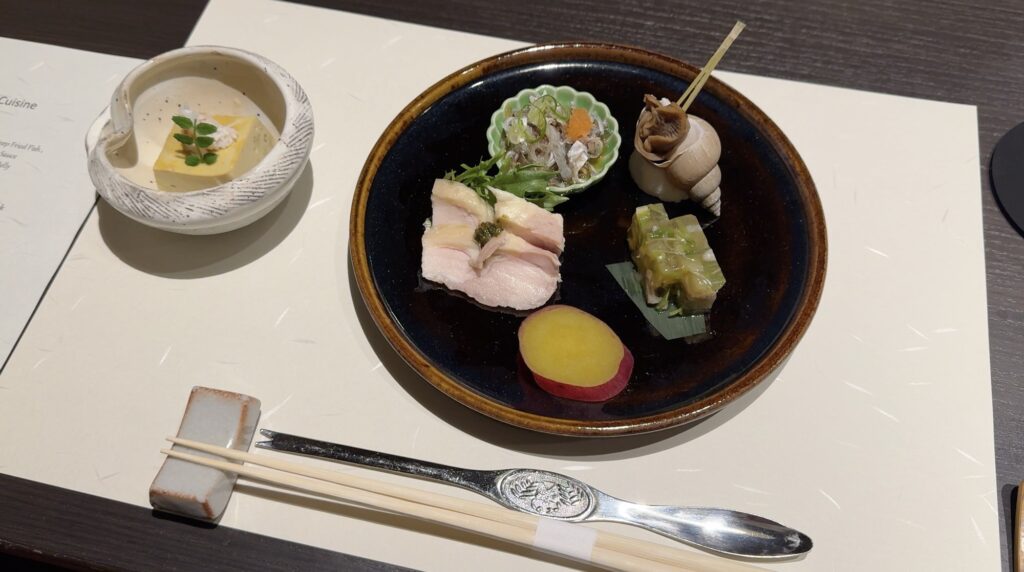
Kaiseki dinner starters at Mikiya Ryokan
Dinner and Breakfast at Ryokan
A dinner-and-breakfast plan often pairs a seasonal, multi-course Japanese dinner with a morning meal of rice, soup, fish and small dishes. Meals may be served in your room or a dining area. Arrive before dinner and allow time for breakfast.
Hotel
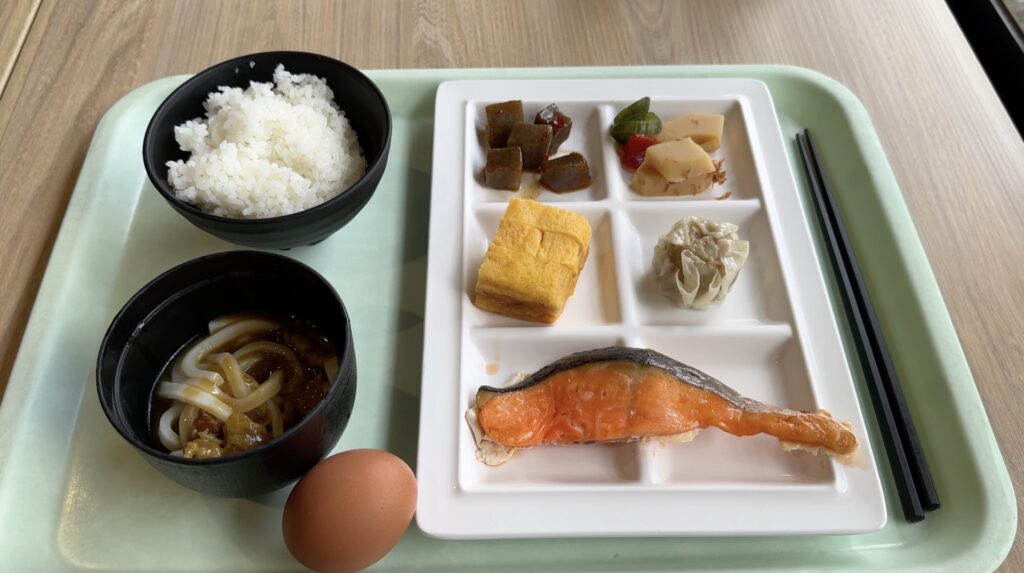
Breakfast at B/C Hotel Kusatsu
Breakfast at Hotels
Hotels may serve a buffet or set breakfast, with Japanese or Western options. Choose a breakfast-inclusive rate or pay separately. Dinner is usually an additional restaurant booking or a meal out.
Dietary requirements? Ask the property what it can accommodate before booking a meal plan.
Do You Have to Sleep on the Floor at a Ryokan?
No. Some ryokan use futons laid on tatami; others offer raised beds. If getting up from floor level would be uncomfortable, choose a room that explicitly lists beds.
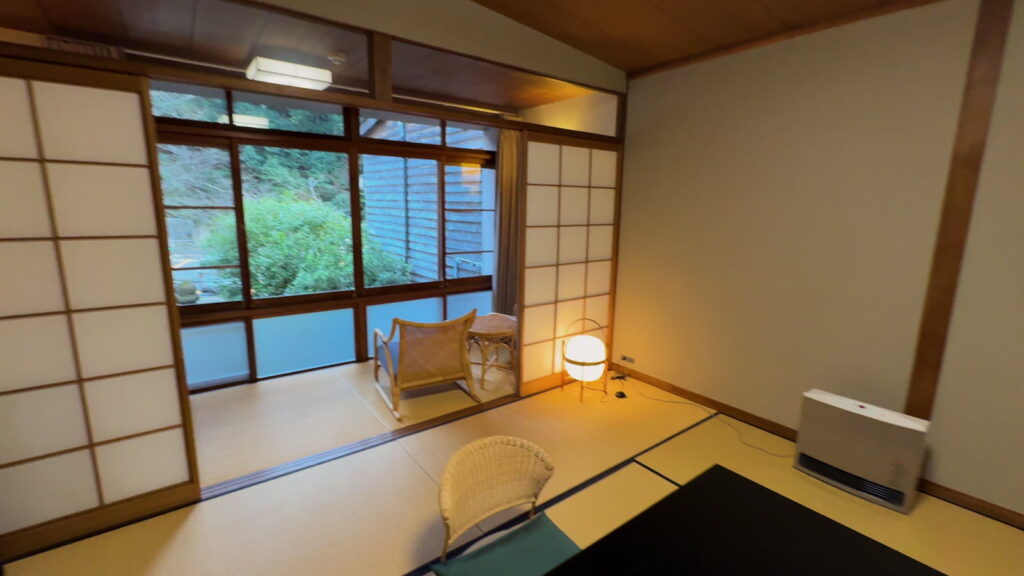
Tatami room at Mikiya Ryokan
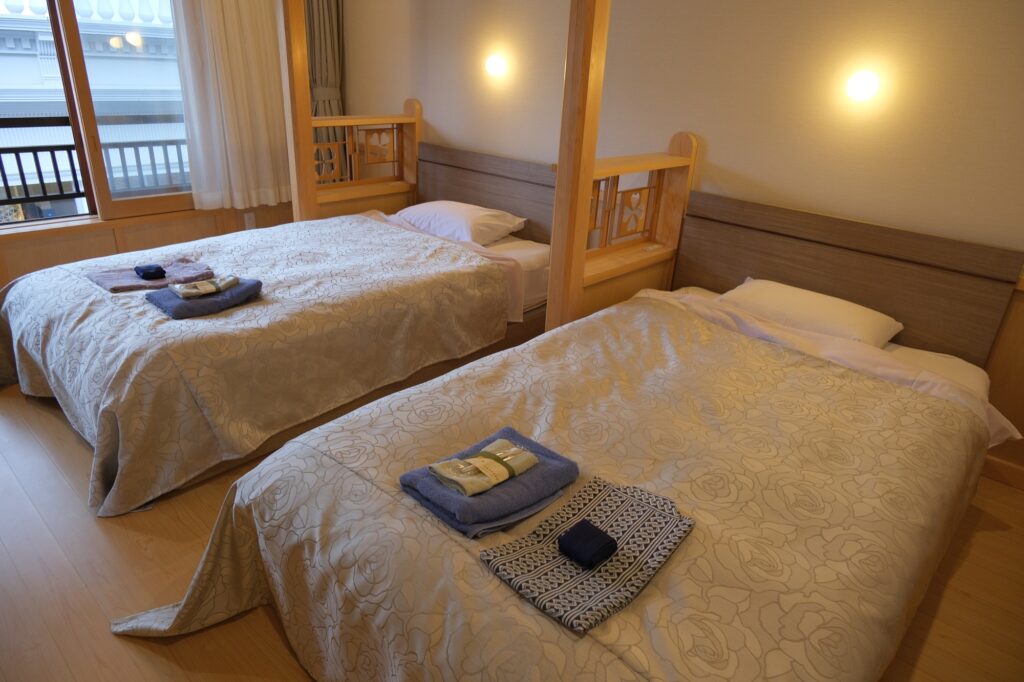
Twin beds at Yamamotokan
Do Ryokan Have Private Bathrooms and Onsen?
A private toilet does not always mean a private shower. Some rooms have their own toilet while guests use shared baths. A “private bath” may be outside your room and reserved for exclusive use.
Ryokan
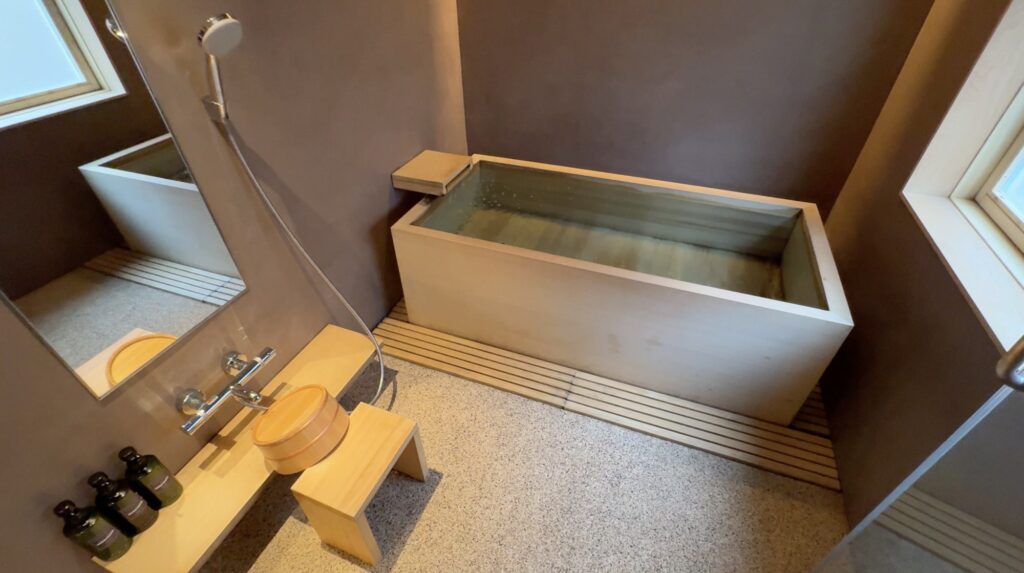
Private-use bath at Mikiya Ryokan
Check exactly where you will bathe
Ryokan may have shared baths, private-use baths or in-room baths. If you want an onsen, confirm that the water comes from a natural hot spring.
Hotel
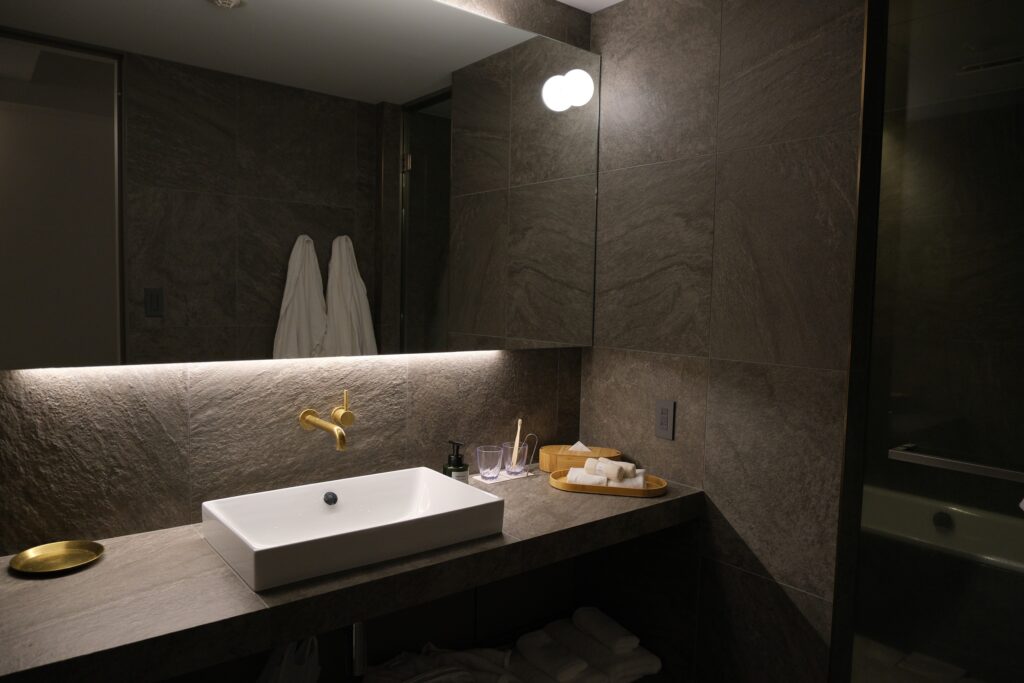
In-room bathroom at Shiroiya Hotel
Check the room’s shower or bathtub
Hotels may have a shower, bathtub or both in the room. Some also offer communal baths or onsen.
Can a Hotel Offer the Same Experience as a Ryokan?
There is overlap. Hotels can have tatami rooms, futons, onsen and Japanese breakfasts. Ryokan can have raised beds, modern bathrooms and room-only rates.
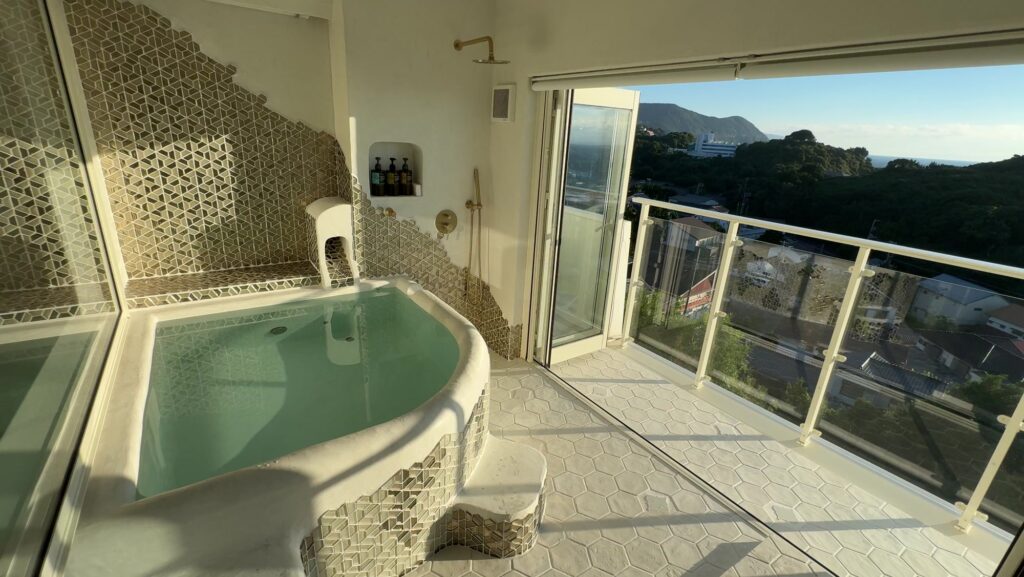
Private onsen in the Ibiza room at Hotel Sea Shell
A Hotel Can Have an Onsen Too
The Ibiza room at Hotel Sea Shell includes a private hot spring bath.
Can You Arrive Late or Go Out at Night at a Ryokan?
Dinner-inclusive stays usually have an arrival deadline. Ask about dinner time and any evening entrance restrictions before choosing your train or planning a night out.
For arrival days involving an international flight, allow for delays before committing to a fixed dinner time.
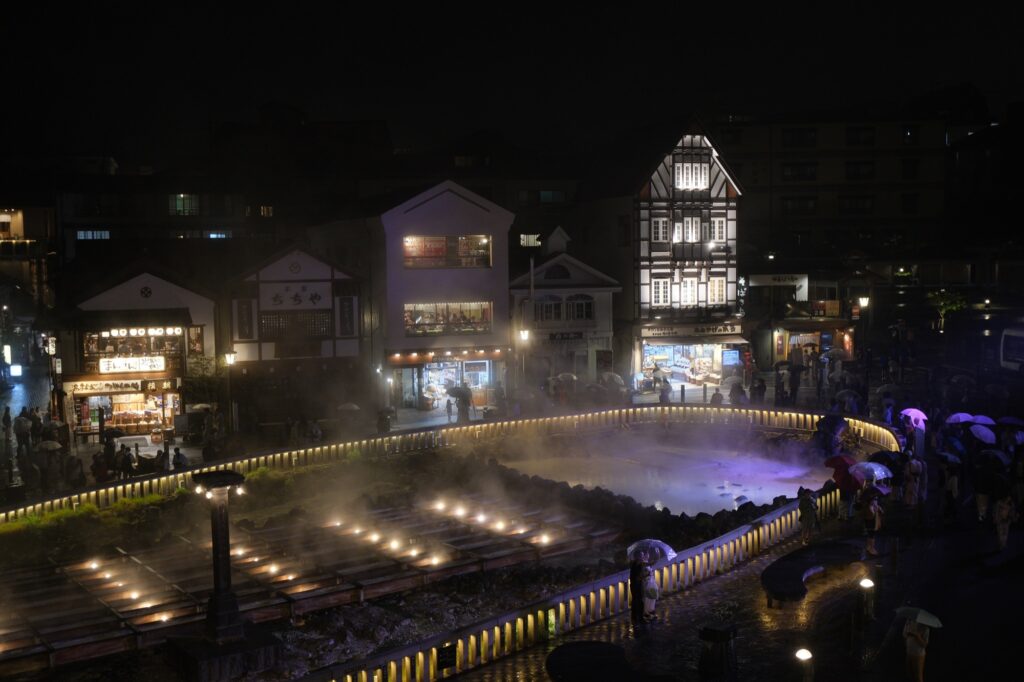
Yubatake after dark during our Yamamotokan stay
Ryokan vs. Hotel Prices: Are Ryokan More Expensive?
Often, yes—compared with a basic room-only hotel. A ryokan package may include dinner, breakfast and more personal service, with rates quoted per person. Simple inns can cost less, while luxury hotels can cost much more.
Your Ryokan Total
Stay Package
Final room-and-meal package for everyone staying.
+ Extras
Add drinks or private-bath fees excluded from the package.
+ Taxes
Add any taxes still payable at the property.
Your Hotel Total
Room Price
Final room price for the correct number of guests.
+ Meals
Add dinner and breakfast if they are not included.
+ Other Charges
Add separate facility charges and any taxes still payable.
Ryokan vs. Hotel: Which Should You Book for Your Japan Trip?
Ryokan
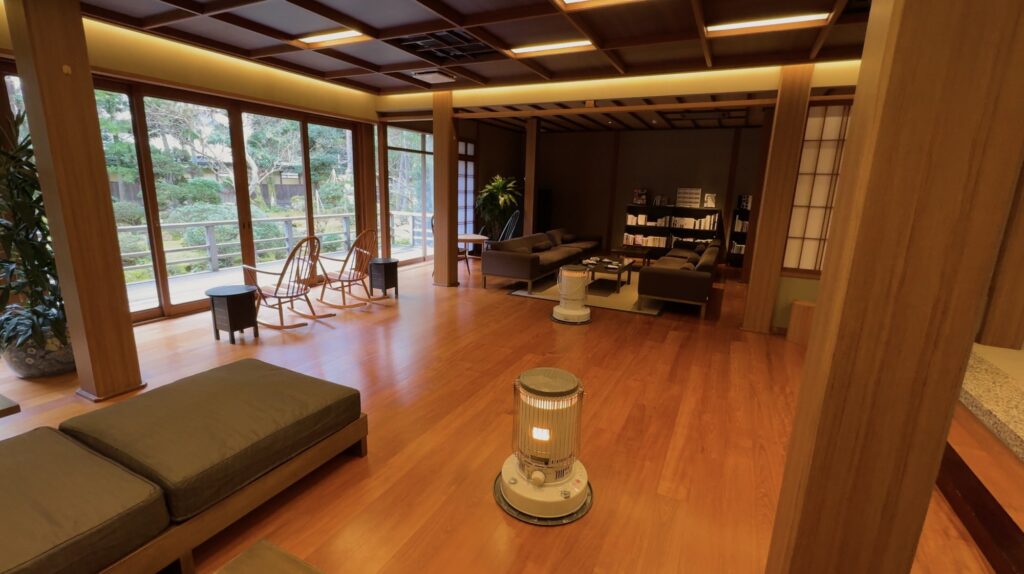
Library lounge at Mikiya Ryokan
Choose a Ryokan When…
You want time for the room, a Japanese meal and bathing. Give that night enough space in your itinerary to enjoy what you booked.
Hotel
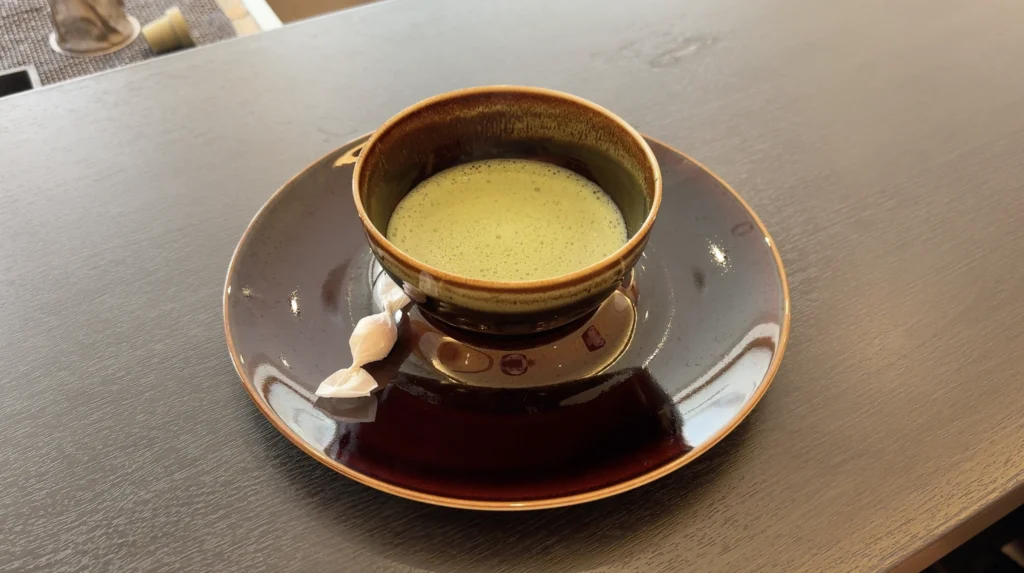
Matcha at Hotel 1899 Tokyo
Choose a Hotel When…
Your priority is a convenient base for sightseeing, restaurants or onward travel.
Our suggestion for a first Japan trip
Stay in conveniently located hotels for busy sightseeing days, and set aside a ryokan night for dinner, bathing and a slower morning.
What Is the History of Ryokan?
Ryokan grew out of Japan’s long tradition of lodging travelers. The Japan Ryokan & Hotel Association traces their roots to fuseya, free rest houses established by Buddhist monks during the Nara period.
Nara Period
Early Rest Houses
Free overnight shelters offered travelers somewhere to rest when journeys were difficult.
Edo Period
Roadside Inns and Meals
As travel along major roads increased, hatago inns provided lodging and meals. Pilgrimages and visits to hot springs also encouraged travel.
Modern Japan
Railways and Leisure Stays
After the Meiji Restoration, railways changed travel. Ryokan developed around stations, sightseeing destinations and hot spring towns.
That history helps explain why meals, bathing and time spent at the inn are central to many ryokan stays today. A ryokan does not have to occupy an old wooden building.
More Questions Before Booking a Ryokan
Is a Ryokan Worth It for One Night?
Yes, if you have time to enjoy it. One night gives you the afternoon-to-breakfast experience. Arriving after dinner or leaving before breakfast reduces the value of a meal-inclusive stay.
How Many Nights Should You Stay at a Ryokan?
We suggest one night for a first experience, or two for a full day to explore and relax. For consecutive nights, ask whether the menu changes.
Do Ryokan Have Laundry Facilities?
Some do. Look specifically for self-service or coin laundry; a paid laundry service is a different offering.
Is a Ryokan the Same as an Onsen?
A ryokan is an accommodation type. An onsen is a hot spring. Ryokan can have onsen, and hotels can have them too. Check the property’s water and bath descriptions.
Can You Book a Ryokan Without Meals?
Yes, where a room-only or breakfast-only plan is offered. Before choosing it, check where you can eat nearby and whether dinner can be added later.
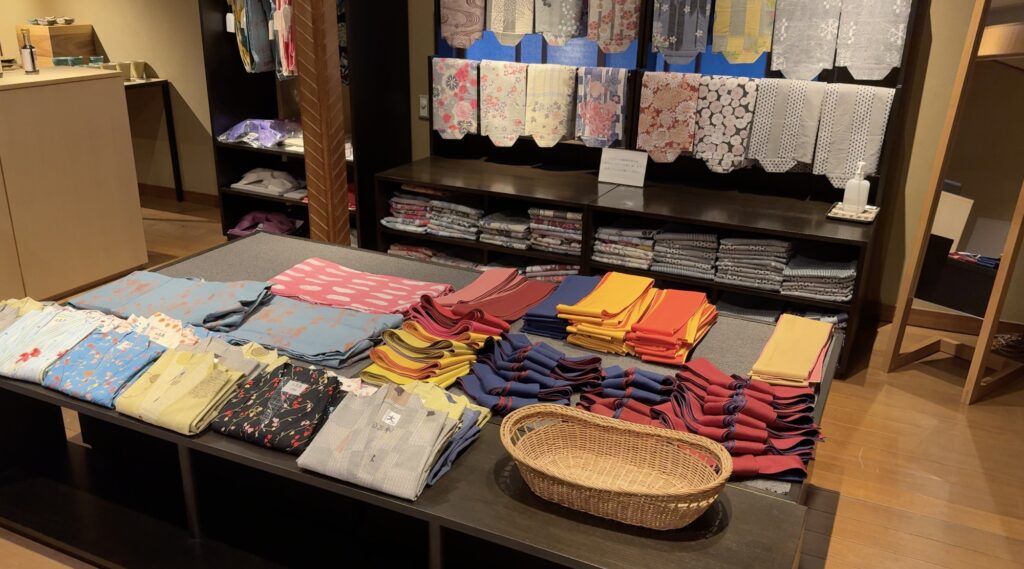
Yukata and obi at Mikiya Ryokan
Do You Need to Wear a Yukata at a Ryokan?
Ryokan commonly provide yukata for guests. They can often be worn around the inn and to meals. Ask the staff where wearing one is appropriate.
Can You Stay at a Ryokan as a Solo Traveler?
Look for plans accepting one guest and search with one adult from the start. Availability and pricing depend on the room and property.
Can You Use a Ryokan Bath With Tattoos?
Ask the property about the particular bath you want to use. Confirm the rules for shared and private-use baths before booking.
What Should You Check Before Booking?
•
Room — Futons or beds, stairs, seating and bathroom layout
•
Meals — Dinner and breakfast inclusion, serving times and dietary arrangements
•
Baths — Shared, private-use or in-room, access rules and extra charges
•
Arrival — Check-in deadline, transport and any evening entrance restrictions
•
Practical facilities — Self-service laundry, drying facilities and luggage storage if needed
•
Price — Final total for your party, taxes, child charges and cancellation conditions
Ryokan vs. Hotel at a Glance
Start with the features that matter to your trip. These symbols describe typical booking patterns, not guarantees.
Usually
Sometimes / depends
Not Typical
What Matters
Ryokan
Hotel
Breakfast Offered
Inclusion depends on the plan.
Ryokan
Usually
Hotel
Usually
Dinner Included in the Stay Package
Hotels may offer dinner separately or a meal-inclusive rate.
Ryokan
Usually
Hotel
Not Typical
Futons on Tatami
Check the sleeping arrangement for your room.
Ryokan
Usually
Hotel
Not Typical
Raised Beds
Choose the exact bed configuration.
Ryokan
Sometimes
Hotel
Usually
Private Bathroom in the Room
Own toilet does not always mean own shower.
Ryokan
Sometimes
Hotel
Usually
Natural Hot-Spring Baths
Confirm the water and bathing facilities.
Ryokan
Sometimes
Hotel
Sometimes
Private Onsen Inside Your Room
Requires the right room category.
Ryokan
Sometimes
Hotel
Sometimes
Room-Only Rate
Check the meal plan before paying.
Ryokan
Sometimes
Hotel
Usually
Late Arrival
Dinner deadlines and reception hours vary.
Ryokan
Sometimes
Hotel
Sometimes
Self-Service Laundry on Site
Check for both washing and drying facilities.
Ryokan
Sometimes
Hotel
Sometimes
Rates Quoted per Person
Compare the final total for your whole party.
Ryokan
Usually
Hotel
Sometimes
“Not Typical” means it is not the usual arrangement; exceptions exist. Confirm the facilities and inclusions for your room and rate.
Look Inside the Stays Pictured Here
Explore the room, meals and practical details in our individual reviews.
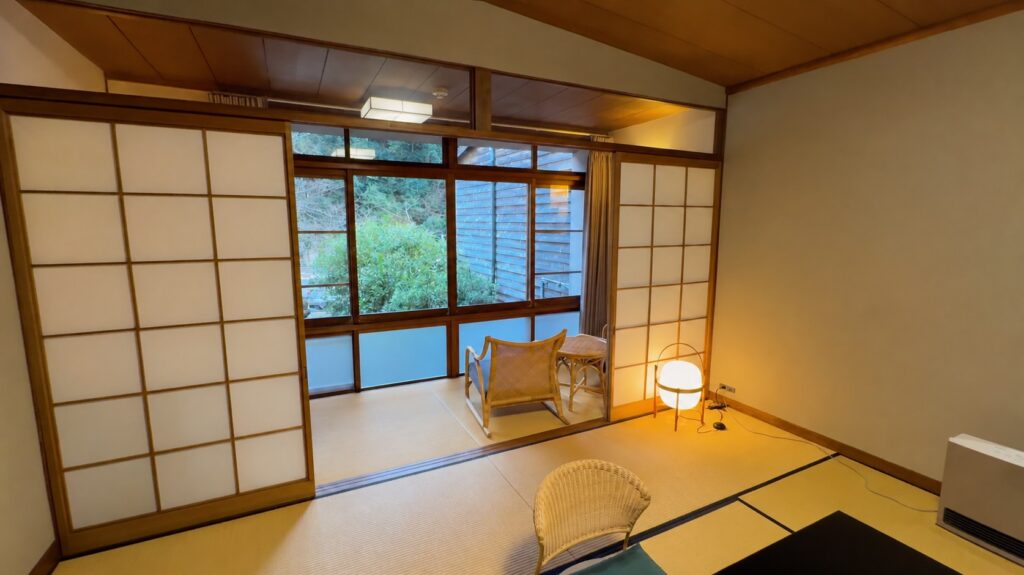
Mikiya Ryokan
A traditional ryokan stay in Kinosaki Onsen, with courtyard views, private hot spring baths and a memorable Matsuba crab dinner.
Read Our Review →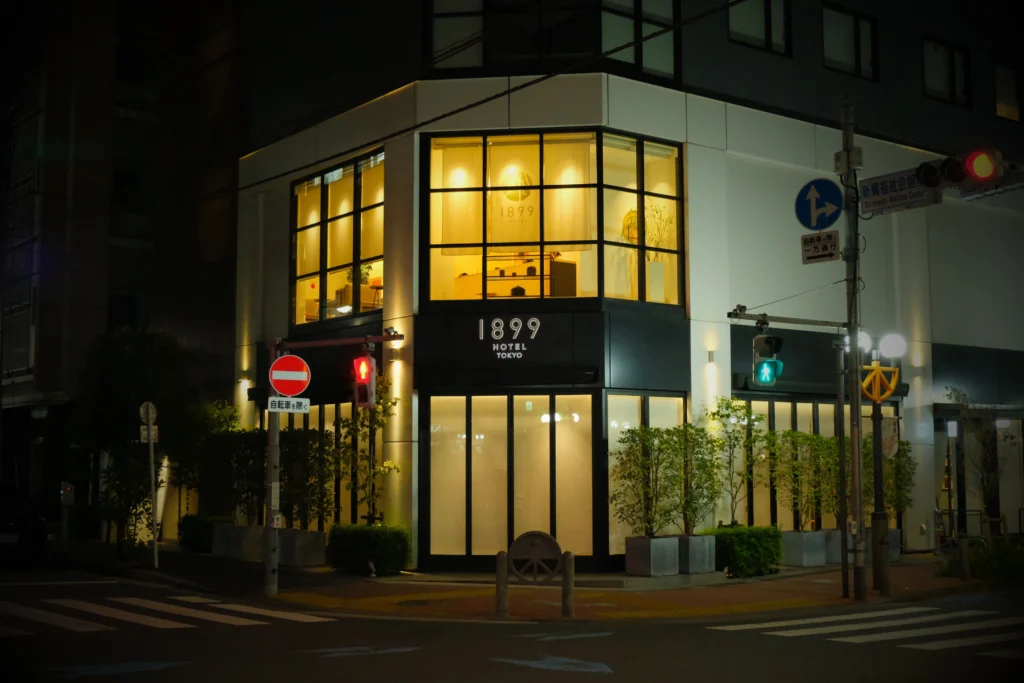
Hotel 1899 Tokyo
On a quiet street in Shimbashi, this cute hotel offers a daily free tea service plus an incredibly delicious breakfast.
Read Our Review →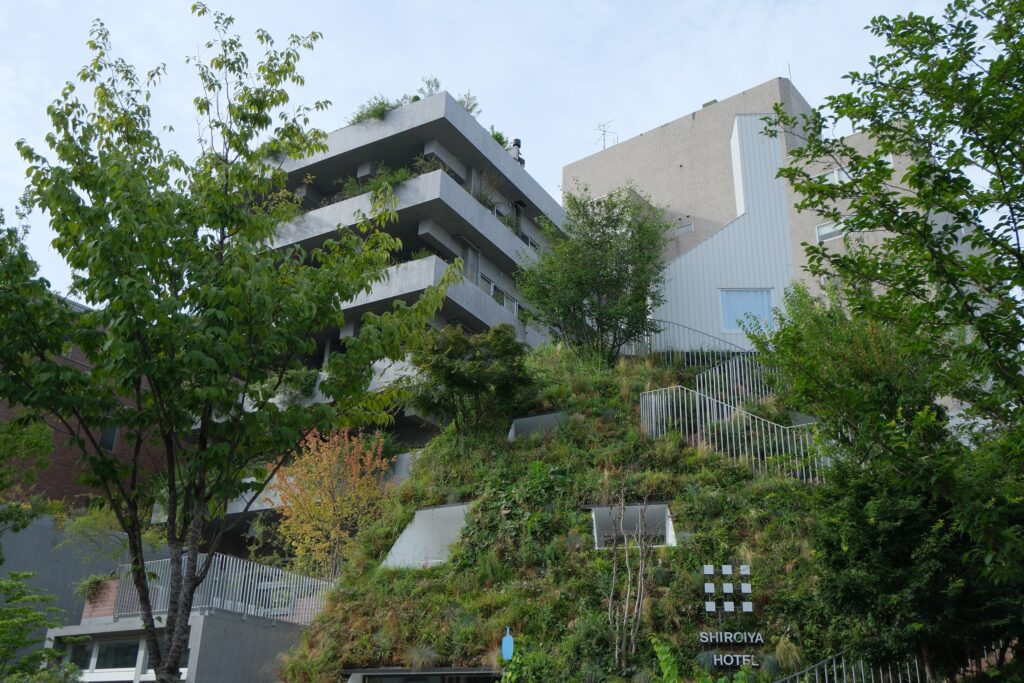
Shiroiya Hotel
Art, architecture & inspiration in Maebashi including a stylish lounge plus a bakery and Blue Bottle Coffee right next door.
Read Our Review →Photos are from our stays in Japan and show the specific rooms and meals we experienced.
Sources and further reading
JNTO’s Japanese Ryokan Guide ↗ · Accommodation Styles in Japan ↗ · Japan Tourism Agency’s Ryokan Questions ↗ · Ryokan Laundry Example ↗
Ryokan Meals ↗ · Guest Rooms ↗ · Arrival ↗ · Reservations ↗
Origins and History of the Japanese Ryokan ↗